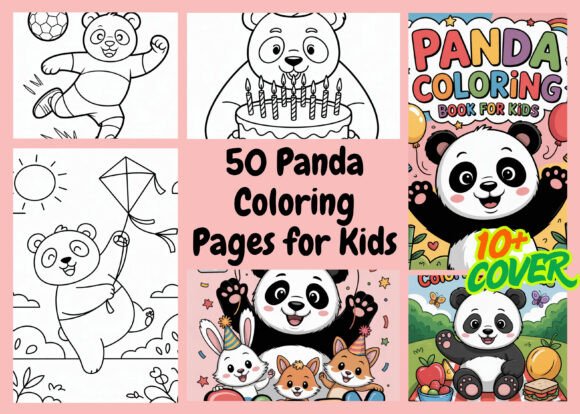
50 Panda Coloring Pages for Kids-KDP: A Designer's Review of Graphics and Coloring Pages
In the world of digital publishing, a single visual asset can determine whether a reader clicks through to your content or scrolls past. As a blog designer and digital publisher who has spent years curating editorial layouts and managing affiliate content strategies, I am always looking for high-quality design assets that elevate a site's aesthetic without overwhelming the message. Recently, I evaluated a collection titled 50 Panda Coloring Pages for Kids-KDP. While the title suggests a product strictly for KDP interiors, my review focuses on how this graphic design asset functions within a broader content ecosystem, including website headers, Pinterest pins, and downloadable lead magnets.
The First Impression: Editorial Mood and Reader Trust
When I first opened the .zip file containing the designs, the immediate takeaway was the clarity of the line work. In editorial design, the difference between a sloppy graphic and a polished one is often the confidence in the strokes. These coloring pages exude a playful yet structured energy. They are not chaotic; they are clean, bold, and highly legible even at smaller sizes. This creates an editorial mood that feels approachable, educational, and inviting.
For a content creator targeting families, educators, or lifestyle niches, this visual identity builds instant trust. It signals that the brand cares about quality. When used correctly, these graphics suggest a modern design sensibility that balances fun with professionalism. They avoid looking cheap or generic, which is crucial for maintaining a strong brand identity on a monetized website. The aesthetic naturally supports content that needs to feel warm and accessible, making it perfect for blogs focused on parenting, early childhood education, or creative hobbies.
Integrating into Real Publishing Workflows
The true value of a creative design asset lies in its versatility. I tested these images across several standard publishing workflows to see how they held up. The high-resolution nature of the files means they are suitable for everything from massive website banners to intricate social media graphics.
- Pinterest Pins and Social Media: In the realm of content marketing, Pinterest remains a powerhouse. These panda illustrations serve as excellent base layers for Pinterest pins. By adding overlay text in a complementary font, you can create eye-catching visuals that drive traffic back to your blog posts about kid-friendly activities or educational resources.
- Digital Guides and Lead Magnets: If you are building an email list, these graphics are ideal for creating lead magnets. You can use them as covers for free eBooks, printable worksheets, or activity guides. The fact that you receive a .zip file with all designs allows you to mix and match, ensuring each download looks unique while maintaining a cohesive look.
- Website Headers and Banners: For a website header or category page, these images provide a delightful visual break. They can soften the tone of a serious article or act as a thematic anchor for a section dedicated to children's learning. This application demonstrates how commercial design can enhance user experience by guiding the eye through a layout.
- Affiliate Marketing Visuals: For affiliate marketers, visual hierarchy is key. Using these graphics in review articles or "best of" lists helps distinguish the content from plain text. They make the page feel more like a curated magazine than a dry sales pitch.
Enhancing Performance Through Visual Hierarchy
One of the primary goals of any web designer is to establish a clear visual hierarchy. This ensures that readers know where to look first. The clean lines of the 50 Panda Coloring Pages for Kids-KDP allow text to sit comfortably alongside the image without competing for attention. When placed strategically, these graphics improve click-through potential by breaking up long blocks of text and providing a focal point.
This consistency strengthens small business branding and makes your content recognizable across different platforms. Whether a visitor sees your post on a desktop monitor, a mobile phone, or a tablet, the professional look of the graphics reinforces the authority of your site. It transforms a standard blog post into a polished publication, encouraging longer session times and deeper engagement.
Strategic Placement: Where These Assets Shine
While these graphics are versatile, they perform best in specific contexts. They are particularly effective as hero images for articles related to creativity, relaxation, or family time. As category thumbnails, they help users quickly identify sections of your site dedicated to kids' activities. In newsletter headers, they add a touch of personality that increases open rates by humanizing the sender.
Furthermore, they work exceptionally well as part of a Canva template library. If you offer templates to other creators, including these panda illustrations adds significant value. They can also be used to decorate digital ads, turning a static banner into an engaging visual story that captures attention in a crowded feed.
Cautions and Considerations for Professional Use
However, a seasoned publisher knows that no asset fits every scenario. There are specific situations where these coloring pages should be used with caution. Because the style is inherently playful and cartoon-like, they may clash with serious professional niches such as corporate finance, legal services, or high-end medical advice. In those environments, a very minimal visual system is required, and the whimsical nature of pandas might undermine the perceived seriousness of the brand.
Additionally, when using these images for small mobile thumbnails, ensure the details do not become muddy. Always test the image at 150x150 pixels to confirm it remains recognizable. Avoid placing them on busy backgrounds or low-contrast areas where the black lines might disappear. Text-heavy blog images also require careful composition; if the graphic is too detailed, it can distract from the headline message.
Practical Publisher Notes for Implementation
Before integrating these graphics into your live projects, follow a rigorous testing protocol. First, preview the asset inside a real blog layout to see how it interacts with your existing theme. Check how it looks next to your current typography. Try pairing the image with serif fonts for a classic editorial look, sans-serif fonts for a modern vibe, or script fonts for a softer, creative touch.
It is also vital to review the file size for web performance. Large images can slow down load times, which negatively impacts SEO and user retention. Compress the images properly before uploading them to your server. Finally, verify the commercial license terms. Ensure you have the right to use these images on monetized websites, affiliate pages, and paid content products. Understanding the licensing agreement protects your business and ensures ethical use of the digital download.
Ultimately, the decision to use 50 Panda Coloring Pages for Kids-KDP depends on your specific audience and brand voice. If you are aiming to create a friendly, engaging, and visually rich environment for your readers, these assets offer a fantastic foundation. They transform simple content into a compelling visual narrative, proving that the right design assets can significantly elevate the quality of your digital publishing efforts.