My First Christmas Coloring Pages: A Designer's Review
As someone who has spent years stitching complex motifs into everything from delicate baby onesies to heavy-duty work aprons, I approach every new asset with a mix of curiosity and skepticism. When My First Christmas Coloring Pages landed in my inbox, I didn't just see a digital file; I saw potential for a tangible, stitched reality. The product description promises high-resolution graphics suitable for KDP interiors, but as an embroidery designer, my eyes immediately scanned the layout to determine its viability for physical production. Can this graphic translate well from a flat screen or a printed page into a three-dimensional stitched object? After running some test stitches and visualizing it on various fabrics, here is my honest assessment.
The Visual Personality of My First Christmas Coloring Pages
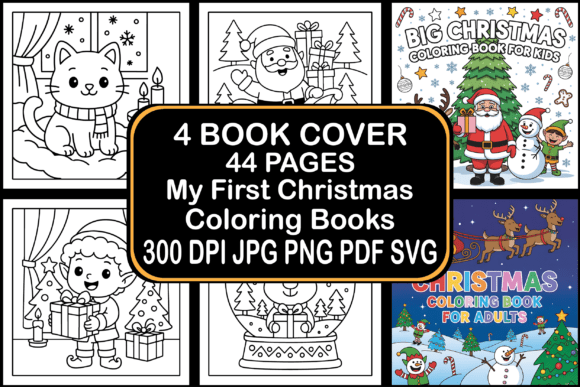
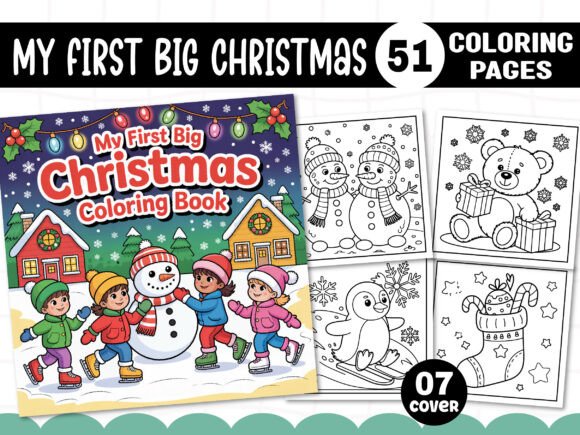
The first impression of My First Christmas Coloring Pages is one of playful simplicity. Unlike the dense, intricate floral patterns that often clog up small hoops, this design embraces a coloring book aesthetic. It relies on bold outlines and open spaces, which creates a distinct mood that feels inviting and child-friendly. For a commercial embroiderer, this is a goldmine. The visual personality suggests a project that is less about technical perfection and more about charm and nostalgia.
In terms of shape and layout, the design feels balanced. It avoids the cluttered corners that often lead to thread breaks or poor coverage during machine embroidery. The theme is undeniably seasonal, making it a natural fit for holiday collections. However, the "coloring" aspect is key here. Because the original intent appears to be for coloring, the lines are likely designed to be filled rather than just outlined. This means that when converting this into an embroidery file, we have to be careful not to over-stitch. The goal is to capture the whimsical spirit without losing the clean, hand-drawn feel that makes these designs so popular with kids and parents alike.
Real-World Application: From Digital File to Finished Product
Let's talk about where this actually shines. I recently imagined using My First Christmas Coloring Pages for a custom embroidered tote bag project for a local boutique. The client wanted something unique for their holiday gift shop, something that stood out against the usual red and green satin stitch reindeer. By utilizing the open areas of the design, I could incorporate a mix of satin stitch for the outlines and a light fill stitch for the background sections, creating a texture that mimics the look of crayon or marker on paper.
This same design would perform exceptionally well on a sweatshirt embroidery project intended for a family matching set. The large, clear shapes allow for easy placement on the chest or back of a garment without feeling cramped. For baby embroidery, specifically on burp cloths or soft blankets, the gentle curves and lack of tiny, fiddly details make it safe and durable. Babies pull at fabric, and designs with too many tiny running stitch elements can unravel quickly. The robust nature of My First Christmas Coloring Pages ensures that the finished product will withstand the wear and tear of daily life.
I also envision this design transforming a plain kitchen towel into a festive holiday gift. The contrast between the white cotton and colorful threads brings the "coloring" concept to life. For an Etsy seller looking to expand their inventory, adding holiday embroidery items based on this design could be a smart move. It offers a fresh take on traditional Christmas decor, appealing to buyers who want something handmade but modern.
Where to Exercise Caution
While the design has great potential, there are specific scenarios where My First Christmas Coloring Pages might require extra attention. If you plan to use this on a curved surface like a cap or hat, you need to consider how the distortion affects the coloring book style. Bold lines might warp slightly, potentially turning a crisp outline into a wavy mess if the hoop size isn't optimized for the curvature.
Textured fabrics present another challenge. If you are stitching onto a thick fleece or a rough burlap, the definition of the design could get lost. The stitch density needs to be adjusted accordingly; too much thread on a textured surface can cause puckering, while too little might leave gaps that ruin the illusion of a colored-in image. Similarly, dark fabrics require a solid underlay or a specific choice of thread colors to ensure the design pops. Without proper contrast, the subtle lines of the coloring book style might disappear into the background.
Small hoop sizes are another area to watch. While the design is generally simple, if you attempt to scale it down too much for a patch or a small accessory, you risk losing the character that makes it special. Tiny lettering or decorative accents, if present in the full version, should be tested carefully. In real-life production, fine details often suffer during the washing process. If the design includes very thin lines, they may not hold up well after multiple cycles, especially on products that need frequent washing like aprons or dish towels.
Impact on Brand and Customer Trust
Using My First Christmas Coloring Pages effectively can significantly boost the perceived value of your handmade products. Customers today are savvy; they can tell the difference between a mass-produced, poorly executed stitch job and a thoughtfully designed piece. When a design looks intentional and professional, it builds trust. A well-executed embroidery project featuring this design signals to the buyer that you care about quality.
For small business owners and crafters, this translates directly to better engagement and higher sales. A personalized gift that features a charming, recognizable motif like a coloring book page stands out in a crowded market. It invites interaction; people love seeing the "coloring" come to life through thread. Furthermore, consistency in your design assets helps build brand recognition. If you start a line of holiday goods using this style, customers will begin to associate that specific look with your shop.
Practical Notes for the Embroidery Designer
Before you commit to a full production run, there are essential steps you must take. First, always test the design on scrap fabric. This is non-negotiable. You need to see how the machine embroidery design behaves on the specific material you intend to use. Check the thread color contrast; sometimes a color that looks good on a screen fails miserably on fabric due to lighting or texture differences.
Review the stitch density and confirm the hoop size required for the best results. Ensure you are using the proper stabilizer to support the fabric, especially if you are working with stretchy materials like t-shirts or baby clothes. Inspect small details closely; if the original file has any tiny text or fine lines, verify that they will stitch clearly. It is also wise to test the design in black and white mockups to check the composition before investing in expensive threads.
Finally, compare how the design looks on both light and dark backgrounds. Since My First Christmas Coloring Pages is a graphic asset, its versatility depends on your ability to adapt it to different contexts. Make sure you understand the licensing terms regarding commercial embroidery. Are you allowed to sell finished items made from this design? Does the license cover digital previews? Confirming these details protects your craft business and ensures you can sell your handmade product with confidence.
In conclusion, My First Christmas Coloring Pages offers a delightful opportunity for designers to create unique, high-quality embroidered items. With careful planning and a keen eye for detail, this design can elevate your portfolio from standard holiday offerings to memorable, artisanal treasures.